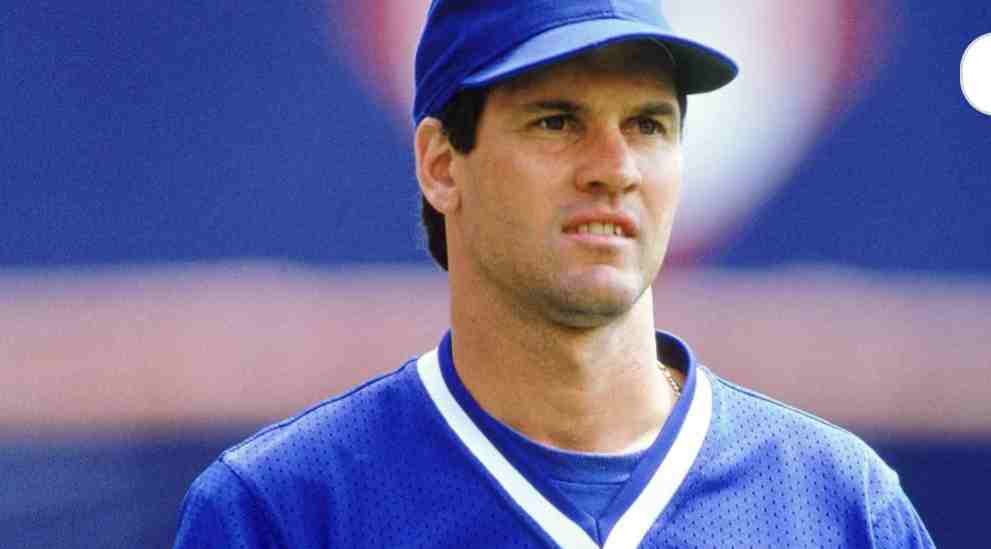
Ryne Sandberg: A Mets Nemesis, A Baseball Gentleman

Ryne Sandberg had a .279 batting average with 248 hits, 27 home runs, 122 RBIs, and 148 runs scored in 226 career games against the New York Mets. Usually, when a player racks up that kind of damage against your team, he earns a permanent spot on your personal “most despised” list. Throw in the fact that he spent his career wearing the uniforms of two long-standing Mets rivals, the Phillies (briefly) and the Cubs, and you’d expect automatic villain status in Flushing. And yet, even when he edged out our own hometown hero Keith Hernandez for the 1984 National League MVP, you still found yourself tipping your Mets cap in appreciation for a job well done. Sandberg was just that kind of player, so good, so classy, so consistent, that you couldn’t help but respect him, even when he was breaking your heart.
But Ryne Sandberg was the outlier. He wasn’t just tolerated by Mets fans, he was respected. Around the league, Sandberg’s name was synonymous with quiet excellence, humble leadership, and a brand of professionalism that transcended team allegiances.
He wasn’t flashy. He didn’t scream for attention or carry a big swagger. What Ryne Sandberg did was show up every day, play the game the right way, and let his performance speak volumes. His glove at second base was poetry in motion nine Gold Gloves back that up, and his bat had the kind of pop that quietly piled up 282 career home runs, a remarkable total for a middle infielder of his era. Mets fans remember the consistency. You’d check the box score and see Sandberg with two more hits, a stolen base, maybe a double. You’d groan, but you’d nod. Because deep down, you knew you were watching greatness.
And Then There Was That Game
June 23, 1984. Cubs fans immortalize it. Baseball historians rank it among the greatest regular-season games ever played. And Ryne Sandberg didn’t just play in it—he put his name on it. Not every great player gets a game named after them. Ryne Sandberg did. And “The Sandberg Game” wasn’t just a showcase of clutch hitting; it was the moment the baseball world had no choice but to take notice.
It was a nationally televised Saturday afternoon at Wrigley Field, with NBC’s Bob Costas and Tony Kubek on the call. The Cubs hosted their heated rivals, the St. Louis Cardinals. Willie McGee hit for the cycle and had six RBIs. The Cubs trailed 7–1, then 9–3, then 11–9—each time clawing back, each time on the ropes. And twice, with the game on the line, Ryne Sandberg delivered thunder off his bat.
The first blast came in the bottom of the ninth. The Cardinals handed the ball to Bruce Sutter—Hall of Famer, ex-Cub, and arguably the most dominant closer of the era. Sandberg stepped in and launched a game-tying homer into the left-center bleachers. “Into left center field, and deep. This is a tie ball game!” Costas called it. The Wrigley crowd erupted, but the drama was only getting started.
In the top of the 10th, McGee drove in another run and scored again, giving St. Louis an 11–9 lead. The “Player of the Game” graphics had already flashed McGee’s name on-screen. And then—two outs, one on—Sandberg came up again. Facing Sutter once more, he did the unthinkable: another game-tying home run to almost the exact same spot. Costas’s call echoed what every fan was thinking: “Do you believe it?!”
Harry Caray, calling the game on radio, had perhaps the most fitting response:
“He did it again! He did it again! Holy Cow! Listen to this crowd, everybody’s gone bananas!”
The Cubs would go on to win in the 11th on a Dave Owen single, but this wasn’t just a win. It was a statement. Sandberg finished the game 5-for-6 with seven RBIs and eternal ownership of a slice of baseball mythology. For Cubs fans, it was a turning point in a dream season. For the rest of the league, it was the birth of a superstar.
That year, Sandberg would go on to win the MVP, batting .314 with 200 hits, 114 runs, 36 doubles, 19 triples, and 19 homers emerging not just as the best second baseman in baseball, but as one of its most complete players. Alongside Bob Dernier, the “Daily Double” at the top of the Cubs lineup combined speed, defense, and relentless pressure. And Sandberg, the soft-spoken anchor, showed the world he was no longer just solid, he was special.

Years later, Bob Costas would reflect on that day and call it one of the most thrilling games he’d ever witnessed. And if you ask any Cubs fan, it still ranks at the top. “The Sandberg Game” wasn’t just about two swings of the bat, it was about what those swings represented: a franchise reborn, a player transcending expectations, and a legend forever etched into the game.
He didn’t just stop there. Sandberg’s career became a masterclass in consistency and excellence. He was a 10-time All-Star from 1984 through 1993, claimed nine consecutive Gold Gloves from 1983 to 1991, and won seven Silver Sluggers. In 1990, he led the National League in home runs, a rare feat for a second baseman. The Cubs retired his No. 23, enshrined him in their team Hall of Fame, and in 2005, the National Baseball Hall of Fame in Cooperstown welcomed him with 76.2% of the vote on his third ballot.
Sandberg’s respect didn’t end when the final out was recorded. He went on to manage at both the minor and major league levels, staying close to the game he loved. And though his managerial career never reached the heights of his playing days, there was always a quiet dignity about the way he handled himself in the dugout, just as he had at second base. He wasn’t one for fireworks. He was one for fundamentals.

When Ryne Sandberg was inducted into the Hall of Fame in 2005, he gave a speech that was as much about honoring the game as it was about celebrating his own career. He spoke of respecting the uniform, of playing hard every day, of doing the little things right. Mets fans may have winced at the memories of all the times he beat us, but we couldn’t help but nod once more. He had earned every bit of that Cooperstown plaque.
Ryne Sandberg passed away yesterday at the age of 65 after a battle with prostate cancer. The game has lost one of its steadiest craftsmen. And Mets fans, despite decades of hard-hit balls and gut-punching rallies, have lost one of the rare opponents we respected, even loved.
Rest easy, Ryno. Even in Queens, you were one of the good ones.