🚨 BREAKING: Manchester United Sign Three-Year Partnership with Coca-Cola as Official Soft Drinks Partner in UK & Europe — Fans Imagine Iconic Logo on Club Kit
1. Introduction: A Refreshing New Era for United
Manchester United have announced a three-year partnership with Coca-Cola, naming the global beverage giant as their Official Carbonated Soft Drinks Partner for the UK and Europe. The deal, which will run until at least 2028, is the latest in a series of commercial agreements designed to strengthen United’s brand appeal, boost fan engagement, and expand revenue streams.
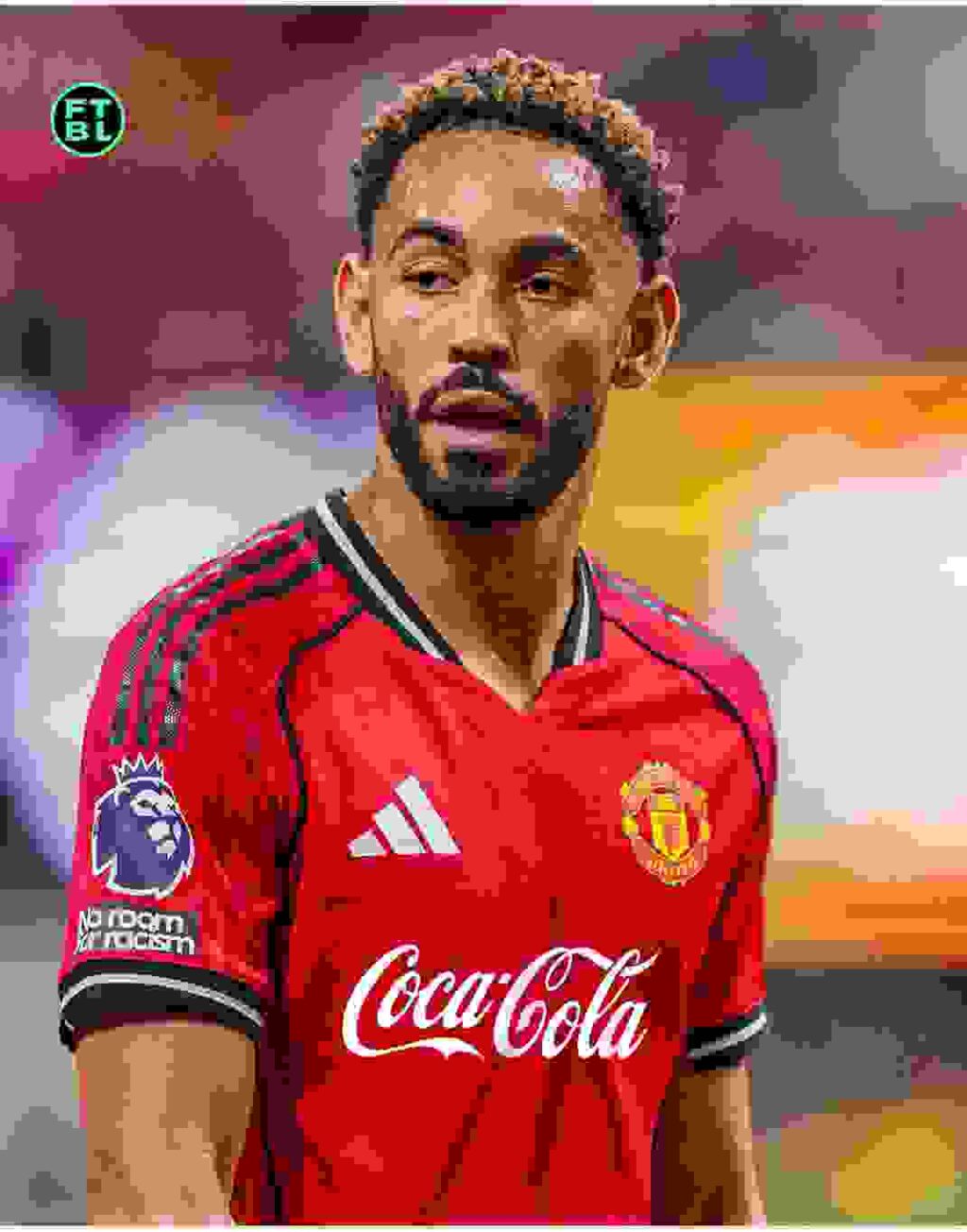
The news immediately set social media buzzing, not only for the commercial significance but also for the playful idea of the Coca-Cola logo appearing on the front of United’s kit—a thought that had many fans excited, nostalgic, and a little curious.
2. A Match of Global Icons
This deal represents a joining of two of the most recognizable brands in the world.
- Manchester United: One of the most successful and well-supported football clubs globally, boasting an estimated 1.1 billion fans and followers worldwide.
- Coca-Cola: The world’s most famous soft drink brand, sold in over 200 countries, with a history of high-profile sports sponsorships, including the FIFA World Cup, the Olympics, and various league partnerships.
While the partnership is region-specific (UK & Europe), the marketing ripples will likely travel much further, given the international fan base and Coca-Cola’s ability to create campaigns that resonate globally.
3. What the Partnership Means
The partnership reportedly includes:
- Exclusive Rights – Coca-Cola will have exclusive rights as United’s carbonated drinks partner in the UK and Europe.
- Matchday Presence – Coca-Cola branding will feature at Old Trafford through LED boards, concourse sales, and fan experience zones.
- Collaborative Campaigns – The two brands will launch joint promotional campaigns, likely including player appearances, fan competitions, and limited-edition merchandise.
- Sustainability Initiatives – Both companies are expected to align their sustainability goals, potentially focusing on recyclable packaging and community programs.
While the official front-of-shirt sponsor remains TeamViewer (until a new main sponsor is confirmed), the Coca-Cola tie-in could lead to special-edition shirts for promotional purposes, which is where the fan speculation about kit redesigns comes in.
4. Fans Imagine Coca-Cola on the United Kit
The idea of a Coca-Cola logo across the iconic red Manchester United shirt has generated plenty of fan chatter.
- Nostalgia Factor – Some older fans recall the days when Coca-Cola sponsored the English Football League Cup (EFL Cup) in the 1990s, and imagine a similar retro feel.
- Design Curiosity – Graphic designers have already mocked up concept kits on social media, with some versions looking strikingly classic and others leaning into a bold, modern aesthetic.
- Marketing Potential – A Coca-Cola/United co-branded jersey could be a massive seller worldwide, especially if released as a special collectors’ edition.
One popular fan tweet read:
“A Coca-Cola sponsor on the red kit would be chef’s kiss. Retro vibes meet modern marketing.”
5. Why Coca-Cola Chose United
From Coca-Cola’s perspective, partnering with Manchester United is an obvious play:
- Sheer Audience Reach – United’s global footprint ensures Coca-Cola will be in front of hundreds of millions of eyes every matchday.
- Brand Synergy – Both brands are steeped in tradition but still push for global relevance.
- Fan Loyalty Parallels – Just as Coca-Cola enjoys generations of loyal drinkers, United commands lifelong dedication from its fans.
This collaboration follows Coca-Cola’s renewed push into football sponsorships. The company’s current strategy involves aligning with clubs that have significant heritage and strong merchandising potential.
6. Commercial Significance for Manchester United
The Coca-Cola deal will add to Manchester United’s already impressive commercial revenue. According to the club’s latest financial report, commercial partnerships account for over a third of total income. By adding Coca-Cola to a roster that includes Adidas, Tezos, and DXC Technology, United continue to demonstrate their pulling power despite recent on-field struggles.
Industry experts suggest the deal could be worth £5–7 million per year in direct revenue, not counting merchandising boosts and co-branded campaign profits.
7. Potential Fan Engagement Campaigns
Given both companies’ history of interactive promotions, fans can expect:
- Limited-Edition Packaging – Coca-Cola bottles and cans featuring United’s crest, players, or famous slogans.
- Golden Ticket Promotions – Drink purchases offering chances to win match tickets, signed kits, or VIP Old Trafford tours.
- Digital Collectibles – NFTs or digital trading cards combining Coca-Cola branding with Manchester United themes.
- Community Football Events – Coca-Cola sponsoring grassroots tournaments with United branding.
8. Comparisons to Past Sponsorship Deals
This isn’t United’s first beverage partnership, but it’s certainly the most high-profile in recent years. The club previously worked with Thai beer brand Singha and soft drink producer PepsiCo in certain markets. However, Coca-Cola’s global recognition puts this deal in a different league, echoing partnerships like Real Madrid’s tie-up with Emirates or Barcelona’s with Spotify—both unions of worldwide cultural icons.
9. Risks and Criticisms
No commercial deal is without potential downsides:
- Health Messaging Concerns – Some critics may argue that aligning with a sugary drinks brand sends mixed signals about health and fitness.
- Kit Sponsorship Overlap – While Coca-Cola won’t replace the main shirt sponsor, fans may worry about logo clutter from too many visible sponsors.
- Short-Term vs. Long-Term – A three-year deal is relatively short in football sponsorship terms, raising questions about renewal or future strategy.
Still, most fan reactions so far lean toward excitement rather than criticism.
10. The Bigger Picture for United’s Brand Strategy
This partnership reflects a broader approach under Manchester United’s commercial leadership: maximizing off-pitch revenues to support both footballing ambitions and shareholder returns. In a world where football finances are increasingly competitive—especially with Financial Fair Play regulations—high-value, globally recognized sponsorships can be as critical as player signings.
Coca-Cola’s involvement also strengthens United’s lifestyle branding, positioning the club not just as a football team, but as a cultural brand woven into everyday life.
11. What’s Next?
Fans can expect the partnership to officially launch with a high-impact marketing campaign, possibly coinciding with United’s preseason tour or early home fixtures. The big question remains: Will there be a Coca-Cola x United kit release?
While the club hasn’t confirmed any such plans, special-edition merch is a proven moneymaker. If that happens, expect limited runs to sell out instantly—particularly if linked to nostalgic designs from the 90s or early 2000s.
12. Conclusion: A Sparkling Partnership
The Manchester United–Coca-Cola partnership is a blend of commercial savvy and brand alignment. Both are global icons with loyal fan bases, rich histories, and the ability to turn simple marketing into cultural moments.
For United, it’s another lucrative step in a commercial playbook that keeps them financially strong. For Coca-Cola, it’s a chance to tie their brand to one of the most watched and talked-about football clubs on earth. And for fans? It’s a mix of curiosity, nostalgia, and anticipation for what could be some of the most eye-catching collaborations in football merchandise.
If the Coca-Cola logo ever does grace the front of United’s famous red shirt—even for a one-off release—it might just become one of the most collectible jerseys of the decade.