🚨🔴 Glazers Now Free to Sell Majority Stake in Manchester United as Key Clause Activates 📝
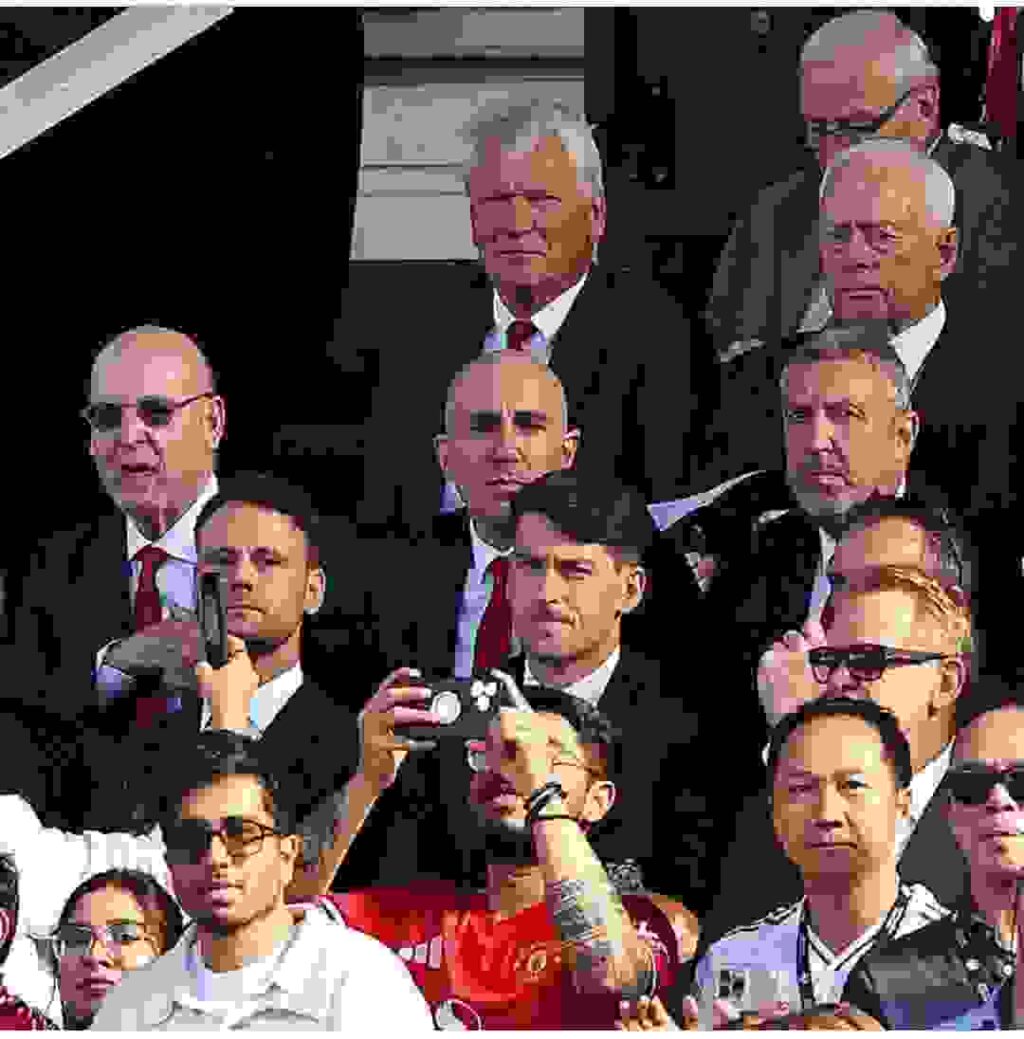
The Manchester United ownership saga has taken another dramatic turn as reports confirm that the Glazer family, who have controlled the club since 2005, are now free to sell their majority shareholding following the activation of a crucial clause earlier this month. This development has reignited speculation about a potential takeover, raising hopes among fans that the end of the Glazers’ controversial reign may finally be in sight.
📌 A Brief History of the Glazers’ Ownership
The Glazers’ takeover of Manchester United in 2005 remains one of the most divisive moments in football history. Using a highly leveraged buyout, the American family acquired control of the club by saddling it with hundreds of millions in debt—debt that fans argue the club has been paying for ever since.
In the nearly two decades since, supporters have staged countless protests, demanding that the family sell the club. While Manchester United has enjoyed occasional success during the Glazer era, the overall perception is that the family has prioritized profit over sporting ambition.
Recent years have only intensified criticism, with United falling behind rivals like Manchester City and Liverpool both on and off the pitch. From failed transfer strategies to crumbling stadium infrastructure at Old Trafford, fans believe the Glazers have overseen years of neglect.
💣 The Importance of the Clause
The latest twist comes with news that a contractual clause—believed to be tied to shareholding restrictions and corporate governance rules—has now expired or activated, freeing the Glazers to sell their controlling interest in the club without restrictions.
Until now, the family had structured their ownership in a way that made an outright sale more complicated, particularly with preferred shares and voting rights tied to their stake. This clause activation, however, is being described by insiders as the “green light” moment—effectively removing the final legal hurdle preventing a sale.
In simpler terms: if the Glazers want to sell, they can do so tomorrow, unimpeded.
⚖️ What Does This Mean for Potential Buyers?
The clause activation immediately places Manchester United back at the center of the global sporting investment spotlight. United is not just a football club—it is a global brand with one of the largest fanbases in the world and an enormous commercial reach.
Several bidders have already been linked to United in the past year, most notably:
- Sheikh Jassim bin Hamad Al Thani of Qatar, who reportedly offered a full cash takeover worth close to £5 billion in 2023 before withdrawing when the Glazers refused to sell.
- Sir Jim Ratcliffe and INEOS, who eventually secured a 27.7% stake in 2024, giving them control over footballing operations but not full ownership.
- U.S. private equity firms, including Carlyle and Elliott, who were rumored to be interested in financing bids or partial investments.
With the clause now active, all of these potential buyers—and perhaps new ones from the Middle East, Asia, or Silicon Valley—could be preparing fresh approaches.
🔴 Sir Jim Ratcliffe’s Position
Perhaps the most interesting subplot is the role of Sir Jim Ratcliffe. After years of pursuing Manchester United, the British billionaire finally succeeded in buying a minority stake last year, granting him operational control but leaving majority ownership with the Glazers.
This new development, however, changes the equation. Ratcliffe could now be forced into a corner:
- Make a bid to buy out the Glazers completely – securing full control of the club.
- Risk being sidelined – if another bidder swoops in with an offer too large for INEOS to match.
Sources close to the matter suggest Ratcliffe structured his initial deal with the long game in mind, hoping that one day he would be able to buy the family out. That moment may have just arrived—but whether INEOS has the financial muscle to outbid sovereign wealth-backed rivals remains uncertain.
🧤 The Glazers’ Perspective
While the clause now allows them to sell, the question remains: will the Glazers actually take that step?
The family has long been accused of clinging to United because of the immense profits it generates. Matchday revenues, lucrative sponsorships, and worldwide merchandising have kept the club financially strong despite years of underachievement on the pitch.
Reports suggest that the Glazers are now divided: some siblings are open to a sale, while others—particularly Joel and Avram—are reluctant to give up one of the most valuable sports franchises in the world.
If the Glazers do decide to sell, experts believe the price tag could easily surpass £6 billion, making it the largest sale in sports history.
⚽ Fan Reaction – A Ray of Hope
For Manchester United supporters, this latest twist has sparked a mixture of hope and caution.
- Hope, because the expiration of the clause finally removes a major obstacle, meaning a sale is more realistic now than ever before.
- Caution, because fans have been here before—rumors of a sale have swirled for years, only for the Glazers to dig in and stay put.
Many fan groups have taken to social media to demand action, urging Sir Jim Ratcliffe to step up with a full takeover bid. Others warn that the Glazers may once again use this as leverage to attract fresh minority investors without giving up control.
As one fan on X (formerly Twitter) put it:
“We’ve been stuck with these parasites for 20 years. If this clause really means they can finally sell, then Ratcliffe needs to get it done. No excuses.”
🌍 The Bigger Picture
The timing of this clause activation is particularly significant. Manchester United remains a giant in global sport, but the football landscape is shifting rapidly:
- Rival Investment: Manchester City’s Abu Dhabi backing has transformed them into a global powerhouse, while Saudi-backed Newcastle United are on the rise.
- European Super League: Legal and financial battles around the future of European football could reshape revenue streams.
- Stadium Redevelopment: Old Trafford requires urgent modernization, with estimates suggesting a full rebuild could cost over £2 billion.
Whoever owns Manchester United in the coming years will need to address all of these challenges. The Glazers may no longer be willing—or able—to do so, particularly given the pressure from fans and the financial risks involved.
📝 Conclusion
The activation of this key clause marks a potential turning point in Manchester United’s history. For nearly 20 years, the Glazers have controlled the club against the wishes of its supporters, prioritizing financial gain over footballing excellence.
Now, for the first time, the pathway is clear: they are legally and structurally free to sell their majority stake. Whether they choose to act on that freedom remains the biggest question.
For Sir Jim Ratcliffe, it is an opportunity—and perhaps a final test—to prove his commitment to United. For rival bidders, it is an opening to pounce. And for fans, it is a glimmer of hope that the dream of a Glazer-free Manchester United might finally be within reach.
But as history has shown, nothing with the Glazers is ever straightforward. The football world will be watching closely—because if a sale does happen, it will not just reshape Manchester United, but the entire landscape of global football.