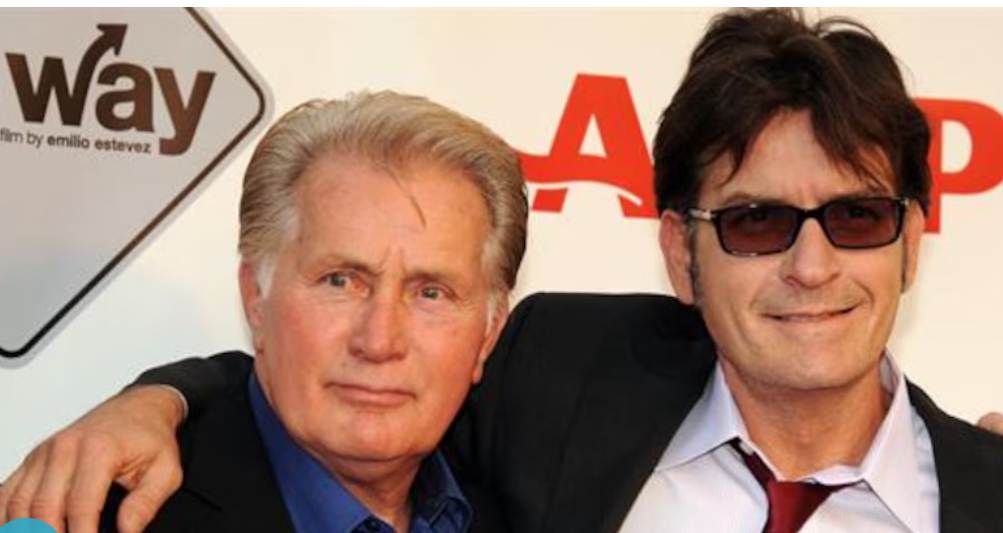
“Martin Sheen Breaks Silence on Watching His Son Charlie Sheen’s Netflix Documentary: Why the Esteemed Actor Refused to Appear On-Camera Yet Still Sat Through Every Shocking Moment of His Son’s Turbulent Story”
When Netflix announced aka Charlie Sheen, the highly anticipated documentary chronicling the meteoric rise, public downfall, and complicated redemption arc of one of Hollywood’s most controversial figures, many wondered whether Martin Sheen would make an appearance. The acclaimed actor, best known for Apocalypse Now and The West Wing, is not only Charlie’s father but also a veteran of both Hollywood fame and personal struggles.
Viewers quickly noticed that Martin Sheen, along with his other famous son Emilio Estevez, was absent from the documentary’s on-camera interviews. Director Andrew Renzi has since confirmed that both men chose not to participate. Still, that doesn’t mean Martin ignored the project — in fact, his reaction to seeing it has become one of the most talked-about behind-the-scenes moments.
According to Renzi, he screened the film privately with Martin Sheen, describing the experience as “perhaps the scariest audience I’ve ever had.” Sitting alongside the elder Sheen while his son’s most chaotic years unfolded on screen was no small task. “It was an incredibly intense experience,” Renzi admitted, noting that Martin was both reflective and deeply moved by the honesty of the documentary.
Though Martin opted out of interviews, Renzi revealed that Sheen gave his blessing for Charlie to take full ownership of the story. “He wanted Charlie to have his moment, without his voice overshadowing it,” the director explained. The decision speaks volumes about Martin’s respect for his son’s agency — a willingness to step back so Charlie’s narrative could stand on its own.
The absence of Martin and Emilio also underscores how painful some of the documentary’s subject matter remains for the Sheen family. The film explores Charlie’s battles with addiction, his notorious public meltdowns, and the infamous “tiger blood” chapter that dominated headlines in the early 2010s. For Martin, revisiting those memories on camera may have been more than he was willing to confront. Charlie himself has said he completely understands why his father and brother chose not to participate, acknowledging that revisiting such a turbulent past is no easy task.
Even without direct interviews, Martin Sheen’s presence looms large throughout the film. Archival footage of him supporting his son during rehab stints and past interviews adds a quiet gravity to the narrative. Renzi explained that these inclusions were deliberate — a way to honor Martin’s role without forcing him into uncomfortable territory.
Ultimately, Martin’s private viewing of the documentary demonstrates his ongoing support for Charlie’s efforts to reclaim his story. For fans, it also highlights the enduring complexity of their father-son relationship: one rooted in love, faith, and resilience, but also scarred by decades of Hollywood’s harshest spotlight.
As Charlie Sheen attempts a comeback — both personally and professionally — Martin’s decision to watch from the sidelines rather than speak on camera may be one of the most telling gestures of all. Sometimes silence speaks louder than words, and in this case, Martin Sheen’s quiet presence reminds audiences that family ties, however tested, are never truly broken.