Why Some Influencers Choose to Announce Their Own Deaths
In recent years, there has been a noticeable pattern: several social‑media influencers and creators have shared what amount to final messages meant to announce their own deaths, instead of waiting for traditional obituaries or third‑party announcements.
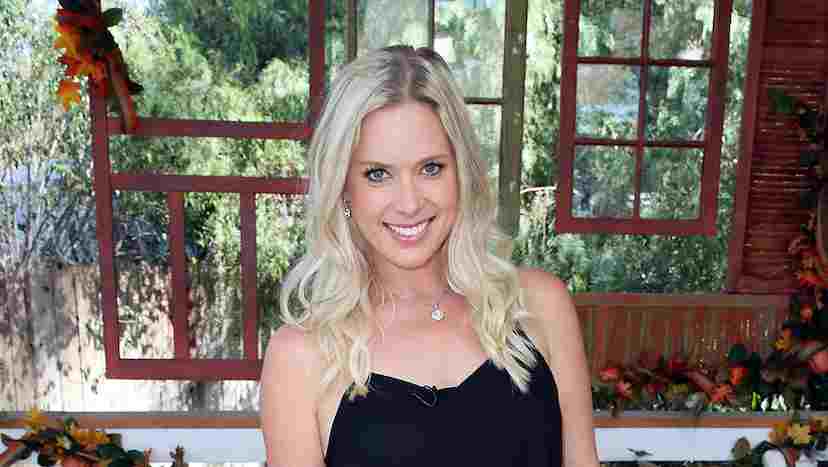
Criscilla Anderson — known from her reality show and public life — is one such example. She shared a final Instagram message indicating her passing, in which she addressed her children and step‑child directly, spoke about her love and faith, and offered comfort, writing “If you’re reading this, I’ve finally slipped into the arms of Jesus—peacefully and surrounded by love.”
Similarly, Bella Bradford, a young TikTok influencer, posted a “final” video — a kind of peaceful farewell — after her death from a rare cancer. In the closing clip she thanked her followers, asked them to cherish life, and reflected that filming videos had given her “a sense of purpose in [her] final few months.”
✨ Key Reasons Behind the Choice
1. Control over their own narrative and legacy
By announcing their own death, influencers reclaim agency over how and when news of their passing becomes public. Rather than leaving it to external media, family members, or rumor mills, they craft a final message — often deeply personal, emotionally honest, and intended as a gift to their audience. For many, this is a way to “go on their own terms.”
2. A final communication to community and fans
Influencers often build intimate relationships with followers — sharing parts of their lives, struggles, and hopes. A self‑announced death can become a final goodbye, giving fans closure and enabling a more personal farewell than a standard obituary might provide. Bella Bradford, for example, framed her last video as a “thank you” to her community.
3. Transparency about illness and mortality
Especially when death follows a long, documented illness (as in many of the cited cases), making a death announcement through one’s own platform — before or just after passing — can be a way to bring awareness to the disease, remove stigma, and show authenticity in the face of hardship. It avoids speculation and rumors.
4. Emotional and existential closure — for them and their audience
In an age where social media blurs public and private, for some creators, announcing their own death can feel like closing a long, open‑ended chapter. It lets them say their final words, express regrets, gratitude, love, or faith — something many people in traditional fame might never get to do publicly.
5. Cultural shift in how we treat life stories and death
Social media has changed how we record and share lives. The timeline of a “public life” can now include a public goodbye. For some viewers, the post‑death content doesn’t feel out of place, but rather a natural extension of a creator’s journey.
⚠️ Broader Implications
This phenomenon — while deeply personal for those involved — raises larger questions about how digital communities handle grief, celebrity, and authenticity. It challenges traditional norms of privacy, mourning, and remembrance. It also underscores how social media platforms have become de facto journals of people’s lives — including their final chapters.
But the trend also comes with weighty emotional risks: audiences may feel grief, guilt, or confusion; some may struggle with closure. And for creators, publicly staging one’s death — or even scheduling a final post — might compress complex feelings and struggles (pain, fear, regret) into digestible “content,” with unknown psychological impacts.