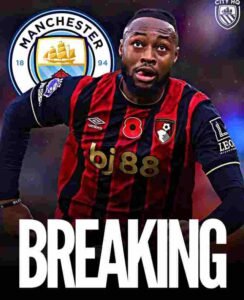
Manchester United’s reported interest in Carlos Baleba perfectly captures the tightrope the club now has to walk in the transfer market. On paper, a deal around £60m feels reasonable for a midfielder with his age, physical profile, and upside — especially in a market where similar talents routinely push past the £100m mark.
If United could secure Baleba at that price and still retain the flexibility to add a specialist No.6 next window if needed, it would feel like a calculated gamble rather than recklessness.
But the concern isn’t talent. It’s context.
United simply do not operate with the same margin for error as clubs like Chelsea or Manchester City.
Those clubs can buy aggressively, miss, sell at a loss, and immediately reinvest. United can’t. When a signing fails at Old Trafford, it often lingers for years, blocking pathways, consuming wages, and limiting future recruitment. That’s the reality shaped by ownership and squad depth — and it’s why Baleba naturally divides opinion.
The hesitation comes from inconsistency. Baleba has shown elite-level flashes, but there has also been a noticeable drop-off after an outstanding season. Whether that’s down to mentality, professionalism, physical demands, or simply adaptation, it’s not something United can ignore at this stage of their rebuild. They need reliability as much as potential.
That said, the upside is obvious. With Cameroon, Baleba has shown composure, aggression, and presence that hint at a midfielder capable of dominating games. His athleticism and ball-carrying ability are rare, and when sharpened tactically and mentally, the ceiling is extremely high. Get the development right, and you could be looking at a Caicedo-level midfielder for almost half the cost.
Price, therefore, is everything. At £60m, the risk feels manageable. At £100m-plus, it becomes dangerous. United cannot afford another signing where expectations outpace structure and support.
One encouraging element is mentality. Baleba recently stated his ambition to become “the best midfielder in the world.” That kind of hunger matters — especially if it’s paired with a genuine desire to wear the badge rather than simply chase a contract. United need players who want to grow with the club, not arrive fully formed and coast.
Ultimately, this is what makes the Baleba debate so compelling. The potential excites. The profile fits. The ambition is there. But the consequences of failure would land squarely on United’s shoulders, not the market’s.
If the club backs this move, it must come with patience, structure, and a contingency plan. Because unlike others, United don’t get infinite resets.
That’s the gamble — and why opinions are so split.