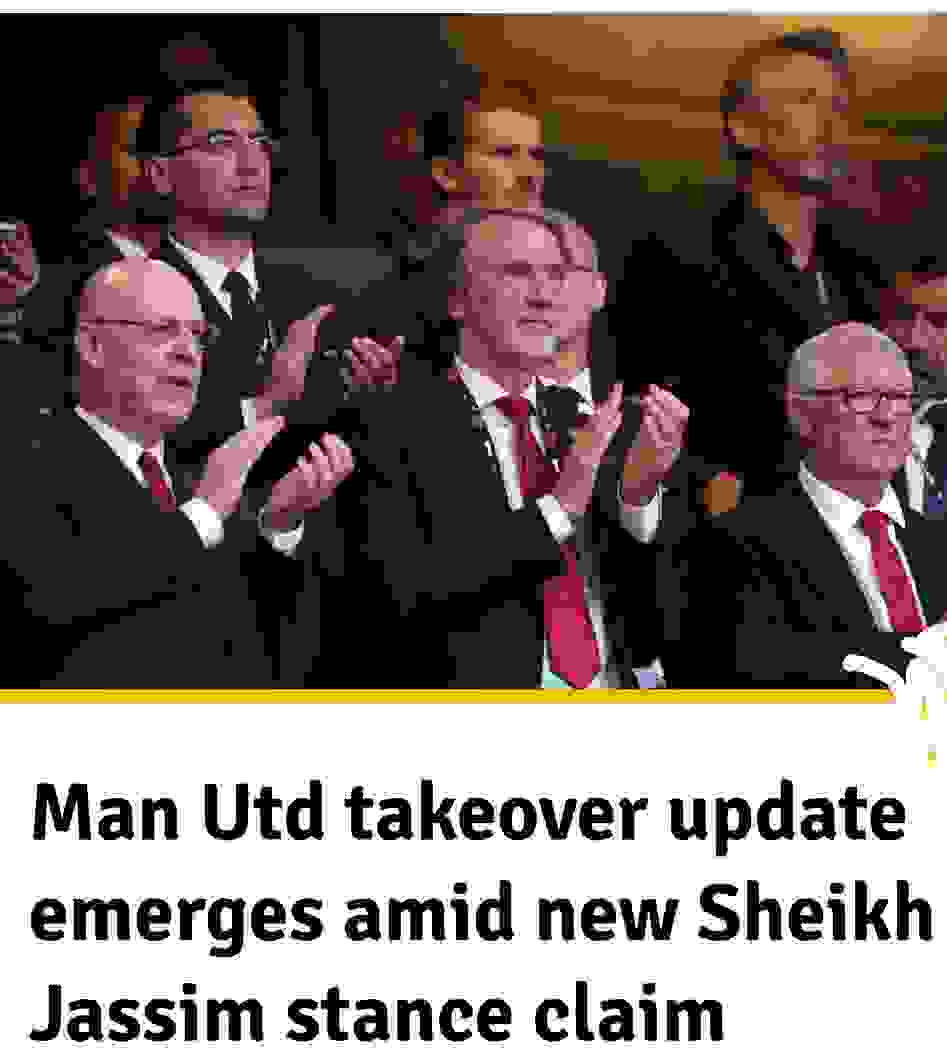
🚨🚨 Bombshell Claim: “If the Glazers Decide to Sell Manchester United, Sir Jim Ratcliffe & INEOS Can’t Stop Them” 💣
The ownership saga at Manchester United has once again taken a dramatic twist following a bombshell claim that has sent shockwaves across the football world. According to insiders close to the situation, if the Glazer family—current majority owners of Manchester United—decide to sell their stake in the club, Sir Jim Ratcliffe and INEOS will have no legal or financial power to block the decision.
This revelation, while not entirely surprising given the complexities of the club’s ownership structure, reopens the long-standing debate around United’s future, the influence of the Glazers, and the true extent of Ratcliffe’s authority after his recent investment.
📌 The Current Ownership Structure
Manchester United, one of the world’s biggest and most commercially powerful football clubs, has been under the control of the Glazer family since their controversial takeover in 2005. The takeover, financed largely through loans secured against the club’s assets, was met with furious backlash from supporters, who have protested consistently for nearly two decades.
In late 2023, Sir Jim Ratcliffe—Britain’s richest man and owner of petrochemicals giant INEOS—purchased a 27.7% stake in Manchester United. The deal granted him significant control over the footballing operations of the club, including decision-making powers related to recruitment, infrastructure, and long-term sporting projects.
However, the Glazers retained majority ownership and ultimate authority over strategic and financial decisions, including the crucial power of whether to sell the club outright.
💣 Why INEOS Cannot Stop a Full Sale
The claim that Ratcliffe and INEOS cannot stop the Glazers if they decide to sell the club stems from the minority nature of their stake. While Ratcliffe’s deal granted him operational influence, it did not come with veto rights over a potential sale.
Simply put, if the Glazers decide tomorrow to sell their shares—whether to the Qatari investors who previously bid for the club, another billionaire consortium, or even back to the public through a stock market restructuring—INEOS cannot legally block the transaction.
This arrangement reflects the careful negotiating position the Glazers maintained. They were never willing to relinquish majority power, ensuring that while Ratcliffe could run football matters, the final say on ownership rests solely with the family.
⚖️ The Glazers’ Long Game
The Glazers’ position has long been one of pragmatism and opportunism. Despite consistent fan opposition, the family has held firm because of Manchester United’s extraordinary financial muscle. Even during years of on-pitch decline, the club has remained one of the world’s most valuable sporting entities, generating hundreds of millions annually from broadcasting rights, commercial sponsorships, and matchday revenues.
In fact, as of 2025, Manchester United is valued at over £5.5 billion, with some estimates even higher. This staggering figure means the Glazers are sitting on a goldmine, and any decision to sell would be motivated more by maximizing profit than appeasing fans.
By allowing Ratcliffe to buy a minority stake, the Glazers essentially bought themselves more time. They gained fresh investment in infrastructure and football operations without sacrificing ultimate control. For many fans, this was seen as a strategic move to extend their reign while appearing to accommodate change.
🧤 What This Means for Sir Jim Ratcliffe
For Sir Jim Ratcliffe, this revelation underscores the precarious nature of his position. While hailed as a savior by some fans upon arrival, Ratcliffe has never truly had full control of the club. His role is significant but not absolute.
This creates a delicate balancing act:
- Influence on the pitch: Ratcliffe and INEOS are driving changes in recruitment, scouting, analytics, and infrastructure projects like the potential redevelopment of Old Trafford.
- Lack of control off the pitch: When it comes to ownership-level decisions—such as whether the club is sold or floated on the stock exchange—Ratcliffe is merely a passenger.
This duality could place Ratcliffe in an awkward position. If the Glazers choose to sell to another party, INEOS might find themselves sidelined despite their heavy financial investment.
🔴 Fan Reaction – “Same Old Glazers”
For supporters, this bombshell confirms what many feared: the Glazers still hold the keys to Old Trafford. While the arrival of Ratcliffe was initially met with cautious optimism, fans are now realizing that his power has limits.
Social media has been ablaze with reactions:
- Some fans argue that Ratcliffe was naive to accept a deal that left him without protection against a full sale.
- Others insist that the Glazers never had any intention of fully leaving and that this was always about raising cash while retaining control.
- Many are frustrated, seeing this as further evidence that the Glazers will only leave United on their own terms—likely after extracting the maximum financial return.
The “Glazers Out” movement remains as strong as ever, with protests continuing both inside and outside Old Trafford.
🌍 The Global Interest in Manchester United
Manchester United’s stature as a global sporting institution ensures that ownership rumors never truly go away. From Sheikh Jassim’s Qatari-led consortium to American private equity firms, countless groups have expressed interest in buying the club.
The reality is that United is not just a football team—it is a global brand with unparalleled commercial reach. Any sale would likely break records for the most expensive transaction in sports history.
This is why the Glazers’ control is so significant. Only they can decide the timing and terms of a sale. Ratcliffe, for all his wealth and influence, is effectively powerless in this regard.
⚽ What Happens Next?
The big question now is: will the Glazers actually sell?
Several scenarios are possible:
- Glazers Retain Control – They could continue their current strategy, keeping hold of the majority while benefiting from INEOS investment.
- Partial Sale – They could sell off more shares incrementally, raising funds while maintaining influence.
- Full Exit – If the right offer comes along, particularly from a sovereign wealth fund or mega-rich consortium, they might finally cash out.
For fans, the nightmare scenario is the first option: another decade of Glazer control, with Ratcliffe merely acting as a shield. For investors and rival bidders, the hope is that the Glazers eventually decide to walk away.
📝 Conclusion
This bombshell claim cuts to the heart of Manchester United’s ownership dilemma. Sir Jim Ratcliffe and INEOS may have influence, but they do not have ultimate power. The Glazers remain the true gatekeepers of Old Trafford’s future, and only they can decide when the story ends.
For supporters who have long campaigned for the family to sell, the message is clear: as long as the Glazers are making money, they will not be forced out. Ratcliffe may bring footballing improvements, but he cannot change the ownership structure.
Until the Glazers make the call, Manchester United’s future remains in their hands—whether fans like it or not.