When Beauty Is Binary: Hollywood Rebels Against Its First AI Actress
The debut of a fully artificial intelligence–generated actress has sparked fierce backlash across Hollywood, reigniting debates about technology’s growing influence on the entertainment industry and the potential threat it poses to human performers.
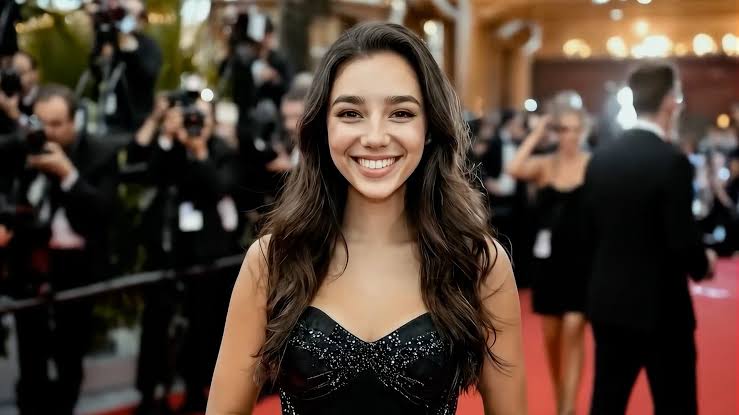
The AI actress, known as “Aria,” was unveiled last week by tech startup SynthVision Studios, which claimed the digital performer could “act, emote, and adapt” using advanced generative algorithms and motion synthesis. The company boasted that Aria could perform in any genre and language—without rest, payment, or contracts.
However, the launch triggered an immediate storm of criticism from actors’ unions, filmmakers, and fans. The Screen Actors Guild (SAG-AFTRA) released a statement condemning the development, calling it “a direct assault on the livelihood and artistry of real human performers.”
Prominent actors voiced similar concerns on social media. Academy Award winner Emma Thompson warned that Hollywood risked “trading humanity for convenience,” while others argued that the technology could widen the gap between studios and working actors still recovering from past labor disputes.
Experts say the controversy echoes the tensions seen during the 2023 writers’ and actors’ strikes, when AI-generated scripts and likeness replication became key flashpoints.
SynthVision defended its creation, saying Aria was “a tool, not a replacement,” intended to complement—not compete with—human talent. But skepticism remains high as industry insiders fear the AI revolution could accelerate job losses and erode creative authenticity.
As AI’s role in entertainment continues to expand, the question remains whether audiences—and lawmakers—will draw the line between innovation and imitation.