Michelle Obama, Authenticity, and the Politics of Perception
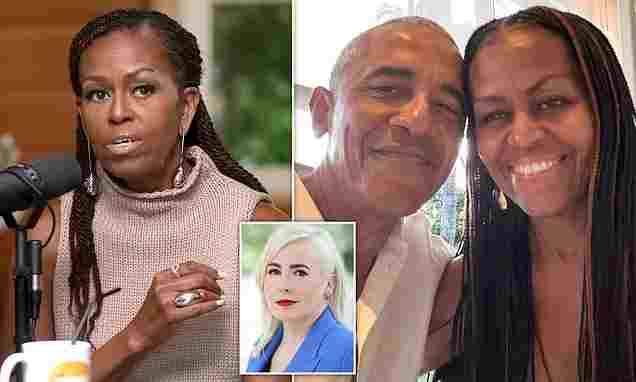
In a recent opinion column, journalist Maureen Callahan took aim at former First Lady Michelle Obama, claiming that Obama’s “greatest fear is being seen as her true self.” The article, published in the Daily Mail, accused Obama of perpetuating a narrative of victimhood and racial grievance while maintaining a public image rooted in inspiration and grace. The piece has sparked heated debate about race, authenticity, and the ways powerful Black women are represented in American media.
Callahan’s essay followed Michelle Obama’s recent interview and public remarks reflecting on her time in the White House. In those discussions, Obama spoke candidly about how she was often portrayed — as “angry,” “intimidating,” or “unrelatable” — and how those stereotypes made her carefully calibrate her public persona. For many, her words resonated deeply. They saw a woman of color acknowledging the racial and gendered scrutiny that follows her everywhere.
Callahan, however, interpreted Obama’s reflections differently. She argued that Obama’s self-presentation has become overly self-protective and steeped in grievance, suggesting that instead of transcending identity politics, the former First Lady “leans into” them. The columnist accused Obama of using race as a shield against criticism — a claim many readers viewed as dismissive of real systemic bias.
Reactions were sharply divided. Supporters of Michelle Obama pointed out that her caution and restraint were born from necessity. Throughout her time as First Lady, she faced racially charged attacks, including depictions in tabloids and social media that were blatantly disrespectful. For them, Obama’s honesty about those experiences was an act of courage, not victimhood. Critics of Callahan’s piece accused it of bad faith — ignoring the historical context of racism and gender bias while demanding that Obama perform effortless strength without acknowledging her pain.
Others, however, echoed Callahan’s concerns, arguing that Michelle Obama’s narrative risks reinforcing a perpetual sense of grievance within American public discourse. They suggested that after years out of office, the Obamas — both highly successful and admired — should represent empowerment rather than ongoing struggle.
Still, much of the conversation circles back to one question: What does authenticity mean for women of color in the public eye? Michelle Obama’s reflections show that authenticity isn’t simply “being yourself” when your every word and gesture are politicized. Instead, it becomes a balancing act — between vulnerability and dignity, between honesty and protection.
Maureen Callahan’s critique may be sharp, but it also underscores a broader cultural tension: society often demands that Black women be both flawless and unfeeling, inspiring yet silent about the prejudice they endure. Michelle Obama’s willingness to speak about that contradiction — even at the risk of being misunderstood — remains one of the reasons she continues to influence and inspire millions.