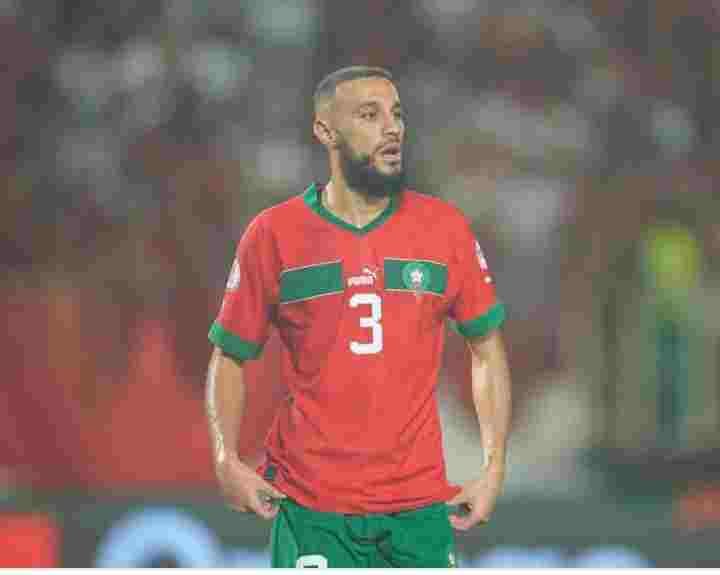
Manchester United Frustrated as FIFA Backs Morocco Over Mazraoui Release
Manchester United’s preparations for the Bournemouth clash were hit by an unexpected setback after Morocco refused to allow Noussair Mazraoui to feature, a decision that left the club frustrated and ultimately powerless. The issue has since escalated into a wider talking point after FIFA sided with the Moroccan Football Federation, citing its own regulations on player release ahead of the Africa Cup of Nations.
The controversy centres on FIFA guidance stating that players selected for AFCON squads must be released by their clubs seven days before their nation’s first tournament match, with the official release period beginning on December 15. Morocco acted in line with that guidance, requesting Mazraoui’s immediate release despite United believing they were entitled to retain the defender for the Bournemouth fixture.
United sources indicate the club fully expected Mazraoui to be available. With the defender an important part of Rúben Amorim’s system, particularly given recent defensive instability and injuries, his absence was viewed internally as a significant blow. After Morocco initially refused to compromise, United escalated the matter to FIFA in the hope of receiving clarification or support.
However, FIFA ruled in favour of Morocco, confirming that the release window had officially opened and that the national team was within its rights to demand Mazraoui’s availability. That decision effectively ended United’s hopes of calling the player back, forcing Amorim to adjust his matchday plans at short notice.
Headlines quickly framed the episode as another example of Manchester United being caught in off-field complications during a turbulent period. “United Lose Mazraoui Row,” “FIFA Backs Morocco,” and “AFCON Rules Leave United Short” all highlighted the growing sense of frustration at Old Trafford. Coming just days after scrutiny over tactics, leaks, and inconsistent performances, the situation added to the perception of a club struggling for control.
From Morocco’s perspective, the stance was clear. With AFCON approaching, national teams are eager to finalise preparations, integrate players early, and avoid last-minute disruptions. Mazraoui, an experienced international, is seen as a key component of their squad, and Moroccan officials were unwilling to risk injury or fatigue by allowing him to play club football during the release period.
The incident also underlines the recurring tension between clubs and national teams, particularly during congested winter schedules. Premier League sides often argue that FIFA windows clash with crucial domestic fixtures, while governing bodies maintain that international tournaments must take priority. United’s frustration echoes similar disputes faced by clubs across Europe whenever AFCON rolls around.
For Amorim, the timing could hardly be worse. Already under pressure to deliver results and stability, the loss of Mazraoui limited his defensive options and disrupted preparation for a match that carried significant importance. While the manager avoided public criticism of FIFA or Morocco, the internal disappointment was clear.
As AFCON draws closer, Manchester United must now plan without Mazraoui for the foreseeable future, reshuffling resources and hoping to navigate a demanding fixture list. The episode serves as a reminder that, at elite level, challenges do not always come from opponents on the pitch — sometimes they arrive via official letters, regulations, and decisions made far beyond Old Trafford.