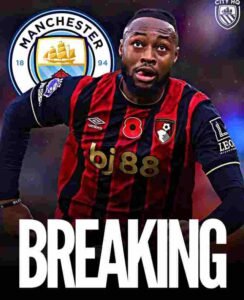
The Premier League table is once again being used as evidence in a growing debate around Rúben Amorim, and for Manchester United supporters, it is becoming harder to ignore the contrast between perception and reality. Earlier in the season, large sections of the fanbase and media voices questioned whether Amorim was the right man for the job, with alternatives such as Andoni Iraola, Thomas Frank, and Eddie Howe frequently mentioned as “better fits” or safer options.
Fast forward to now, and the league standings are fuelling a sharp reassessment.
Manchester United, under Amorim, currently sit inside the top half of the table, while several of the managers once touted as upgrades are overseeing teams positioned lower down.
Tottenham, Newcastle, and Bournemouth have all experienced uneven campaigns, with inconsistency, tactical struggles, and squad issues undermining their momentum. The contrast has sparked a wave of reaction online, with fans urging critics to “look at the table now”.
For Amorim, the shift in narrative has been notable. What began as scepticism over his system, personality, and adaptability to the Premier League has gradually evolved into acceptance — and in some quarters, quiet confidence.
United’s position is not being framed as perfection, but as progress, especially when measured against rivals who were once held up as examples of stability or smarter recruitment.
Thomas Frank, long admired for his work at Brentford, has faced renewed scrutiny as Tottenham continue to struggle for consistency.
Eddie Howe, previously praised for elevating Newcastle into the Champions League places, has encountered challenges balancing expectations, injuries, and squad depth. And Iraola, despite being seen as a rising tactical innovator, has not been immune to the pressures of sustaining results over a long season.
What this comparison highlights is not that those managers lack quality, but that Premier League management is rarely linear. Momentum shifts quickly, narratives flip, and decisions that look obvious in hindsight often feel far more uncertain in the moment.
For Amorim, the table is becoming a shield against earlier criticism.
Supporters are increasingly pointing out that while performances may not always be flawless, results and relative positioning matter. In a season defined by transition, structural change, and long-term planning, simply being competitive remains significant.
The discussion has also reignited a familiar debate around patience at elite clubs.
Manchester United’s recent history is littered with short-term appointments and abrupt resets, and some fans now see Amorim’s position as proof that allowing a manager time can yield stability — even amid imperfections.
“Look at the table now” has become more than a taunt. It is a reminder of how quickly football narratives evolve, and how premature judgement can backfire.
While the season is far from finished and fortunes can still change, the current standings have undeniably shifted the tone of the conversation.
For Amorim, it is not a declaration of victory — but it is a response. And for those who once wanted him gone, the table is asking an uncomfortable question: was the impatience justified at all?