Rashford Swap Rumour Sends Shockwaves Through Old Trafford
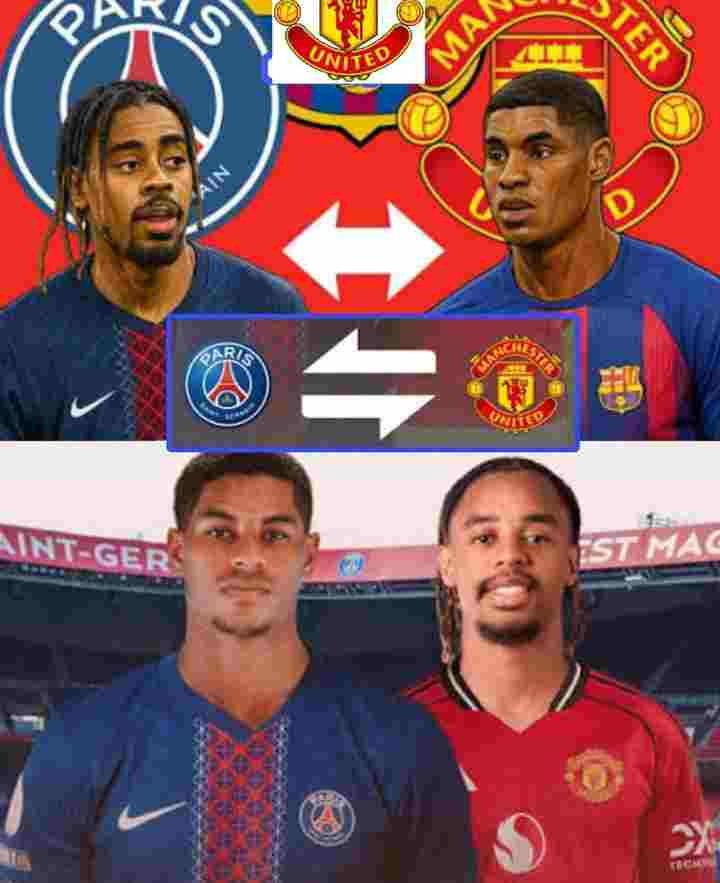
The Manchester United fanbase woke up to another “exclusive” headline: Marcus Rashford, the club’s talisman, reportedly at the centre of a swap deal involving one of the “world’s most exciting young stars.” The language of the report — “shocking swap,” “reshaping United’s future” — was designed to stop fans in their tracks and provoke immediate discussion. On the surface, it reads like a transfer bombshell. In reality, it’s a reminder of how modern football journalism blends speculation, hype, and fan emotion.
Swap deals are extremely rare at the top level of football, especially when they involve established stars.
Marcus Rashford is more than just a forward; he’s an icon at Old Trafford, a product of the club’s youth system, and a player central to both its attacking and commercial identity. Suggesting he could be traded for a young talent elsewhere immediately triggers strong reactions — excitement for potential new talent, fear of losing a homegrown hero, and debate about the club’s long-term vision.
But the details in the headline are deliberately vague. The “world’s most exciting young star” is not named. There is no club attached, no timeline, and no confirmation from credible sources. This type of framing is engineered for clicks. By keeping the player anonymous and the proposal “exclusive,” the story thrives on speculation, social media shares, and fan outrage. Every reader fills in the blanks with the player they most dream about or fear losing, which multiplies engagement without actually delivering verified information.
Historically, clubs like Manchester United handle swap deals cautiously and internally. Any approach involving a marquee player like Rashford would require weeks of negotiation, board approval, and careful timing. It’s unlikely to appear as a sudden public story without leaks from a highly credible source. Headlines like these are designed to create the appearance of urgency — “gathering pace” — even when the underlying information is minimal or entirely unverified.
That doesn’t mean there’s no interest in Rashford. Top clubs monitor elite forwards constantly, and United may evaluate offers in theory. But framing an informal inquiry as an imminent swap deal crosses from reporting into clickbait territory. Fans are conditioned to react emotionally, imagining their star leaving and a prodigy arriving to replace him, even if no concrete negotiations exist.
What this story actually reflects is the appetite for drama in football media. Swap deals, youth potential, and the fate of beloved stars are narrative gold. The headlines leverage this to generate clicks, shares, and debate — often at the expense of accuracy. Until a named player, verified source, and credible club confirmation are provided, the Rashford swap story remains speculation, not news.
For Manchester United supporters, the real takeaway is caution. Rashford remains a central figure at Old Trafford. Swap deals are extraordinarily rare, especially involving players of his calibre. Fans can enjoy the discussion, dream about young prodigies, and debate strategy — but the headlines are far more about engagement than actual club business.
In other words, this story is a reminder of how modern football coverage works: explosive headlines, minimal verification, and maximum emotional impact. Marcus Rashford is safe — at least until credible reports say otherwise.