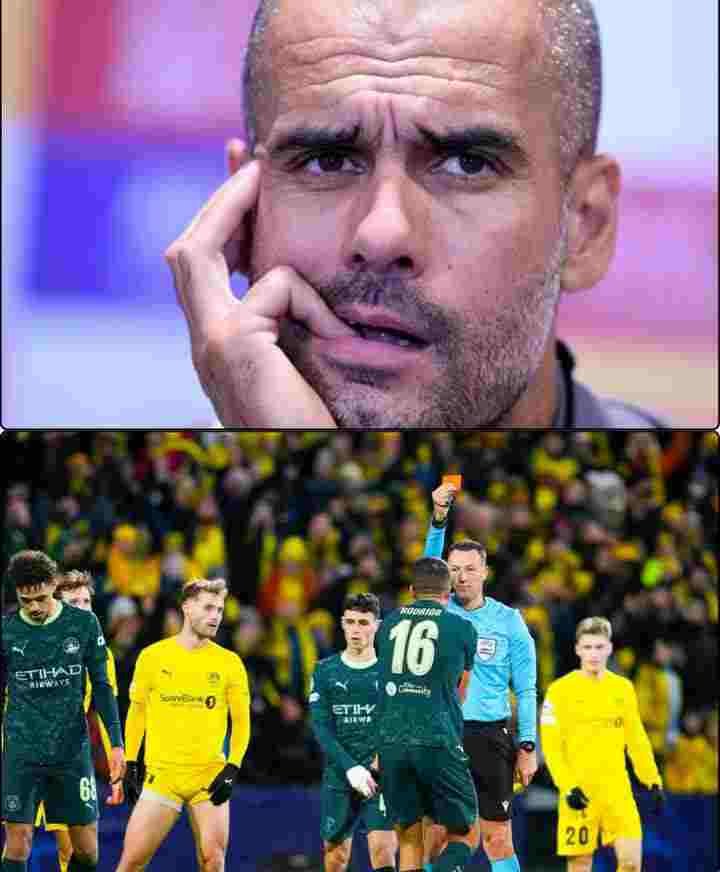
Shock, Anger, and the Anatomy of a Pep Guardiola Rumour
Pep Guardiola furious. A Manchester City player blamed for the defeat. Promises made that the player would “never play for City again”. A dressing room in shock. For a moment, it read like the beginning of a footballing soap opera — the kind that spreads rapidly across social media before anyone pauses to ask a simple question: does this sound like Pep Guardiola?
The timing made it believable to some. City had just suffered a damaging loss, standards had clearly dropped, and Erling Haaland himself had publicly labelled the performance “embarrassing”. Emotions were raw. In that context, the idea of Guardiola losing patience felt tempting — almost inevitable.
But this is where headlines and reality often diverge.
Guardiola is many things: demanding, obsessive, ruthless in his standards. What he is not is impulsive in public. Across his career at Barcelona, Bayern Munich, and Manchester City, there is a consistent pattern. When players fall short, Pep protects them externally and addresses issues internally. Even when he has lost faith in individuals, the process has been controlled, gradual, and strategic — not reactionary.
That’s why the wording of these claims raises immediate red flags. “Is said to be very angry.” “Promised the player will never play again.” “Dressing room in shock.” None of these phrases are sourced. None are attributed. They rely on implication rather than information, designed to provoke emotion rather than inform.
In the modern football ecosystem, this style of reporting thrives. Algorithms reward outrage. Ambiguity fuels engagement. A vague villain is more clickable than a nuanced explanation. Naming no player allows speculation to spiral, dragging multiple individuals into the conversation without evidence.
And yet, the rumour resonates because it taps into something real.
City’s recent performances have lacked sharpness. Guardiola’s teams are built on control, intensity, and collective responsibility. When that collapses, frustration is inevitable. Guardiola will be angry — that much is certain. But anger does not automatically translate into exile.
History tells a different story. Players Guardiola has fallen out with — from Zlatan Ibrahimović to João Cancelo — weren’t banished overnight. They were managed, challenged, sidelined over time, and eventually moved on through structured decisions. Pep doesn’t burn bridges in public. He dismantles them quietly.
There’s also the question of hierarchy. Guardiola blaming a single player after a collective failure would contradict everything he’s preached. His philosophy rests on shared responsibility. Even Haaland, in his own interview, emphasised that senior players must take the blame together. That mindset mirrors Guardiola’s.
The claim that the dressing room is “in shock” also deserves scrutiny. City’s squad is filled with serial winners. They’ve endured criticism, rotation, and high-pressure moments before.
Shock comes from chaos — not from Guardiola holding players accountable behind closed doors, something they expect.
This doesn’t mean consequences won’t follow. Pep’s anger often manifests in subtler ways: tactical tweaks, surprise omissions, rotation that sends a message. Careers at City don’t end with a bang — they fade with intention.
Until credible journalists provide names, quotes, or confirmation, this story remains what it appears to be: a dramatic headline feeding off a bad result and heightened emotions.
For now, the real story isn’t about exile or betrayal. It’s about standards being tested — and Guardiola deciding, as he always does, how best to restore them.