Pep Guardiola Reacts to Solanke’s First Goal: “If a Defender Did That, It’s a Penalty”
Pep Guardiola was left frustrated after Manchester City conceded their opening goal against Dominic Solanke, and his post-match reaction quickly became a talking point. Reflecting on the incident, Guardiola said: “If a central defender did that to a striker, it’s a penalty, right?!” — a comment that reignited debate around consistency in officiating and how fouls are interpreted depending on position.
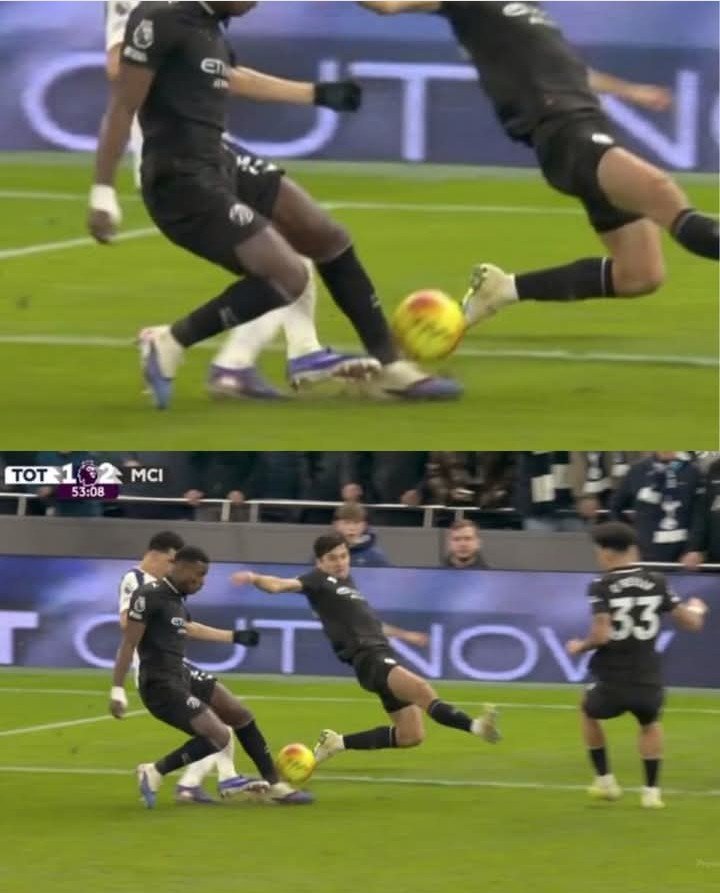
The goal itself was controversial. As Solanke battled with City’s central defender inside the box, there was clear physical contact before the striker found the net. City players immediately appealed, arguing that the contact impeded their defender’s ability to clear the ball. The referee waved play on, VAR checked the incident, and the goal stood.
From Guardiola’s perspective, the issue wasn’t just the decision — it was the double standard. His argument was simple: if that same level of contact occurred with a defender challenging a striker, a penalty would almost certainly be awarded. When the roles are reversed, however, the threshold for a foul appears much higher.
This inconsistency is something managers, players, and fans have complained about for years. Strikers are often given the benefit of the doubt when initiating contact, while defenders are expected to be near-perfect in their challenges. Guardiola’s comments tapped into that frustration, highlighting how subjective interpretations can shape key moments in matches.
City’s defensive line, usually so composed, was unsettled by the decision. The goal shifted momentum, forcing Guardiola’s side to chase the game earlier than expected. In tight title races or high-stakes matches, moments like this can have outsized consequences — not just on the scoreboard, but psychologically.
To Solanke’s credit, he did what strikers are coached to do: protect the ball, use his body, and finish decisively. From a forward’s perspective, it was clever play. He anticipated contact, stayed strong, and took his chance. That duality is what makes the incident so divisive — good striker play to some, a foul to others.
VAR’s role also came under scrutiny. While the technology reviewed the incident, the on-field decision was upheld. That alone reignited questions about clear and obvious errors and whether consistency across similar incidents truly exists. Guardiola didn’t directly criticize VAR, but his comment strongly implied dissatisfaction with how such moments are judged.
This isn’t the first time Guardiola has raised concerns about refereeing standards, and it likely won’t be the last. His remarks weren’t explosive or accusatory — they were pointed, rhetorical, and rooted in logic. If the laws of the game are applied differently based on position, then something isn’t quite right.
Ultimately, the goal stood, and Manchester City had to respond on the pitch rather than at the microphone. But Guardiola’s words ensured the debate didn’t end with the final whistle. Instead, they added fuel to an ongoing conversation about fairness, consistency, and interpretation in modern football.
In a league where margins are razor-thin, decisions like this don’t just affect individual matches — they shape narratives, title races, and trust in the system. Guardiola said what many were already thinking. And once again, the conversation about officiating is back in the spotlight.