💬 The Power of Partnerships: Manchester United Showing Signs of Connection Across the Pitch
Manchester United’s recent performances have offered something fans haven’t consistently seen in years: the beginnings of real partnerships across the team. After three consecutive games showing cohesion, there are encouraging signs that the squad is starting to function as more than just a collection of individuals.
In interviews reflecting on team dynamics, former players and experts have emphasized how critical partnerships are to success. At United, these connections have historically been a defining feature of dominant sides. Think Beckham and Neville, Giggs and Irwin, Keane and Scholes, or Carrick and Scholes. Each pairing provided stability, understanding, and the ability to anticipate each other’s movements — qualities that transform good teams into great ones.
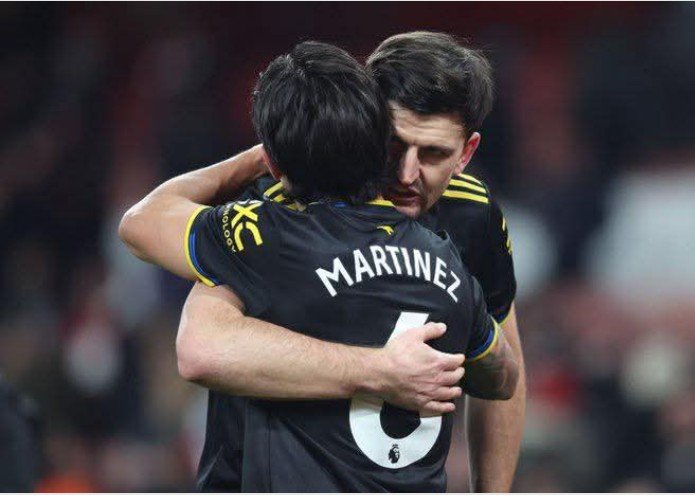
The new United side is beginning to showcase these links. Defensive partnerships like Maguire and Martinez are showing improved communication and understanding at the back.
In midfield, Casemiro and Kobbie are starting to dictate tempo together, covering spaces and complementing each other’s strengths. Even out wide, Amad and Dalot are linking effectively, combining defensive cover with attacking support. These relationships may seem small individually, but collectively they form the structure needed to compete at the top level.
Partnerships don’t just exist in defence or midfield; they are the invisible threads connecting every part of a successful team. As former stars have pointed out, the most memorable sides in football history often had these bonds across the pitch.
Arsenal’s dominance in the early 2000s was built on connections like Thierry Henry with Dennis Bergkamp and Robert Pires with Ashley Cole. Similarly, Manchester United’s golden era relied on overlapping relationships, from defenders coordinating with full-backs to midfielders linking with attackers.
For United, rebuilding these connections has been an ongoing challenge, particularly under previous regimes where short-term fixes and inconsistent recruitment often disrupted cohesion.
Players were shuffled, partnerships were never given time to mature, and the team frequently relied on individual moments rather than collective understanding. The lack of these fundamental connections contributed to inconsistency and frustration for both fans and players.
Now, early signs suggest that the club is moving in the right direction. The latest matches show a growing sense of trust, timing, and awareness between players. When partnerships like Maguire-Martinez or Casemiro-Kobbie click, the team moves as a unit rather than as isolated parts. That cohesion is the foundation of winning sides — it allows for fluid transitions, defensive solidity, and the ability to sustain pressure.
Ultimately, building partnerships across the pitch is a slow process, but United are taking steps in the right direction. If these connections continue to develop, they could become the hallmark of the next successful era at Old Trafford. In football, as in life, no player succeeds alone — and United are slowly learning to thrive together. 🔴