Escaping ‘Cap Hell’: How the Saints Finally Broke Free from a Decade of Financial Misery
# Escaping ‘Cap Hell’: How the Saints Finally Broke Free from a Decade of Financial Misery
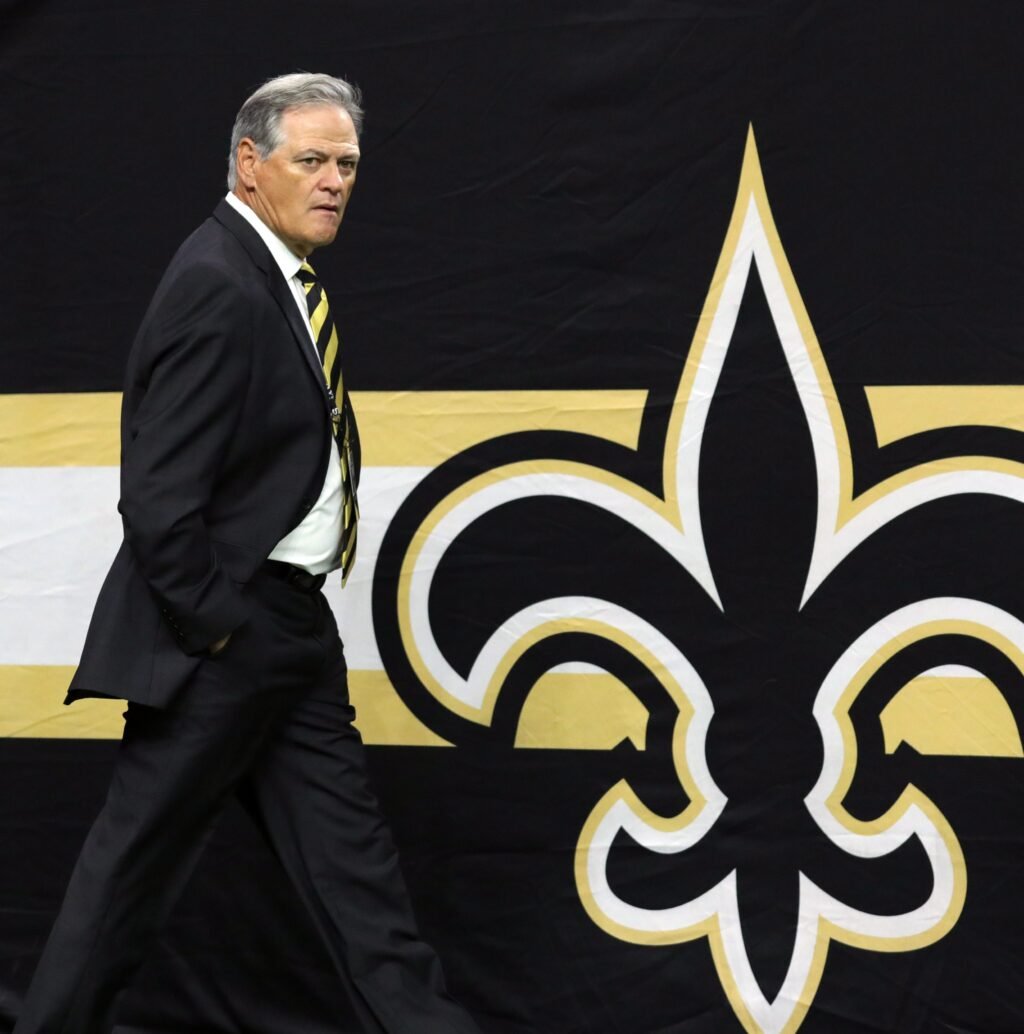
**NEW ORLEANS** — For nearly a decade, the New Orleans Saints were the NFL’s ultimate financial thrill-seekers. Guided by General Manager Mickey Loomis, the front office operated under a philosophy that became legendary among sports business analysts: kick the financial can down the road, restructure every major veteran contract, and worry about the salary cap tomorrow.
But tomorrow always arrives.
For years, “tomorrow” meant starting every offseason tens of millions of dollars in the red, forcing the front office to execute frantic financial gymnastics just to become compliant by the league’s spring deadline. Now, the narrative has shifted dramatically. Following a deliberate pivot in roster construction and a historic boost from the league, New Orleans has officially orchestrated an escape from its self-inflicted “cap hell.”
—
## The Perfect Storm: Retirement and a Record Cap Boost
The turning point for the Saints’ fiscal turnaround began with an unexpected catalyst: the retirement of veteran quarterback Derek Carr. For years, the Saints had been trapped in a cycle of paying premium veteran cash to sustain the playoff windows of the late Drew Brees era and its immediate aftermath. Carr’s departure forced a hard reset, shifting the team away from high-priced veteran dependency toward a younger, more cost-effective core.
Simultaneously, the NFL threw a lifeline to back-loaded franchises across the country. The league announced a record-setting **$301.2 million** salary cap. This massive surge in the league-wide spending limit acted as an economic stimulus package for a front office that desperately needed breathing room.
—
## Creative Accounting and Tough Decisions
Loomis didn’t just rely on league growth to bail the team out; the front office executed a series of calculated restructures and extensions to reshape their books. The team systematically adjusted the contracts of foundational pieces like center Erik McCoy and tight end Juwan Johnson.
More crucially, the front office utilized highly creative contractual clauses with star running back Alvin Kamara to spread out future cap hits, giving the team the flexibility to potentially transition to younger, cheaper talent like Travis Etienne Jr. down the line.
“`
Saints Offseason Financial Pivots:
├── Contract Restructures: McCoy, Johnson, Kamara (Saved ~$33M)
├── Roster Transitions: Shift to rookie-deal QB Tyler Shough
└── Strategic Future Allocation: Top-13 projected cap space
“`
Unlike previous offseasons where cleared space was immediately spent on high-priced free agents, Loomis exercised rare restraint. The Saints prioritized a balanced approach, choosing to invest moderately in stabilizing the offensive line—bringing in veteran David Edwards alongside young first-round cornerstones Taliese Fuaga and Kelvin Banks Jr.—while keeping their eyes firmly on long-term sustainability.
—
## A Glimpse of True Financial Freedom
The results of this disciplined pivot are staggering. Not only did New Orleans comfortably slide under the salary cap prior to the league’s signing windows, but they managed to retain roughly $8.3 million in flexible spending space even after signing their entire rookie draft class.
The real triumph, however, lies further down the road. Looking ahead, the Saints find themselves ranking 13th in available NFL cap space, sitting nearly **$49 million under the limit** while already possessing one of the highest numbers of active players under contract in the league. For a fan base accustomed to reading panic-inducing cap calculators every January, this is an entirely new frontier.
The strategy does not come without lingering risks. The franchise still carries structural hurdles, including potential “dead money” landmines if aging legendary figures like Demario Davis or Cameron Jordan see their contracts void. Furthermore, the entire financial experiment hinges heavily on the development of young quarterback Tyler Shough. If Shough can outproduce his modest contract, the Saints will capture elite on-field value for a fraction of the cost.
By moving away from reckless kicking of the financial can, the Saints have managed what many pundits thought was impossible: they cured their chronic financial misery without completely tearing down the competitive culture of the franchise. Cap hell is officially frozen over in New Orleans.