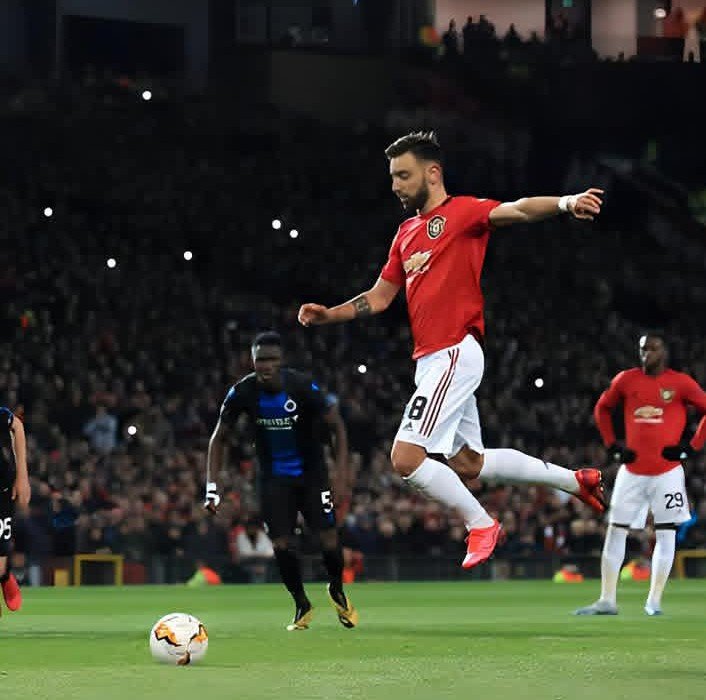
23 Games. Zero Penalties. What Is Going On With Manchester United?
Twenty-three games. Zero penalties.
For a club of Manchester United’s stature, that statistic feels almost impossible. Their last spot-kick came against Burnley back in August — and since then, nothing. No VAR interventions pointing to the spot. No late-game lifelines. No controversial decisions going their way.
Meanwhile, over at Chelsea, Cole Palmer seems to be stepping up from 12 yards almost every other week. Hyperbole aside, it feels like he wins or converts a penalty every 30 minutes. The contrast has not gone unnoticed among supporters, and frustration is beginning to boil over.
So what’s actually going on?
First, penalties are rarely about luck alone. They are usually the result of attacking patterns: dribbles in the box, quick combinations, direct running at defenders, and sustained pressure inside dangerous areas. Teams that spend more time in the opposition box statistically win more penalties. It’s not coincidence — it’s territory and intent.
That raises an uncomfortable question for United. Are they doing enough in the penalty area to force those decisions?
In recent matches, United’s attacking play has often lacked consistent penetration.
There have been spells of possession, but fewer chaotic moments in the box where defenders are forced into desperate tackles. Wingers cutting inside, overlapping full-backs, quick one-twos — these are the scenarios that create fouls. Without that sustained aggression, penalties become less likely.
But supporters will argue this goes beyond style of play.
Across 23 games, it’s highly unusual not to be awarded a single penalty, especially in the modern VAR era where minor contact is frequently reviewed. Fans naturally compare incidents: shirt pulls not given, late challenges waved away, handball appeals dismissed. When those moments accumulate without a single decision going your way, suspicion grows.
The Cole Palmer comparison fuels that perception. Palmer has been Chelsea’s primary penalty taker and has won several through sharp movement and clever positioning. He’s calm, he’s decisive, and he’s frequently on the end of fouls because he operates in tight spaces. Whether it’s coincidence or attacking structure, Chelsea are consistently putting defenders under pressure.
United, on the other hand, have struggled for attacking fluidity. If you aren’t regularly driving into the box or isolating defenders one-on-one, you’re less likely to draw contact.
That said, 23 games without a penalty is extreme. Even mid-table teams tend to win a few through sheer probability. At some point, questions will be asked about consistency in officiating.
Are similar incidents being judged differently? Is there a subconscious reluctance to award marginal calls? Or is this simply a statistical outlier that will correct itself?
Blaming the FA outright may feel satisfying in the heat of frustration, but the reality is usually more nuanced. Performance levels, tactical setup, player movement, and refereeing interpretation all combine.
Still, the optics are brutal.
In modern football, penalties can define seasons — swing momentum, rescue points, and change narratives. For Manchester United, going 23 games without one is more than a quirky stat. It’s a symbol of a team that isn’t quite forcing the issue enough.
Whether it’s bad luck, poor attacking patterns, or officiating inconsistency, one thing is clear: United need to spend far more time making defenders panic inside the box.
Because when you do that consistently, penalties tend to follow.