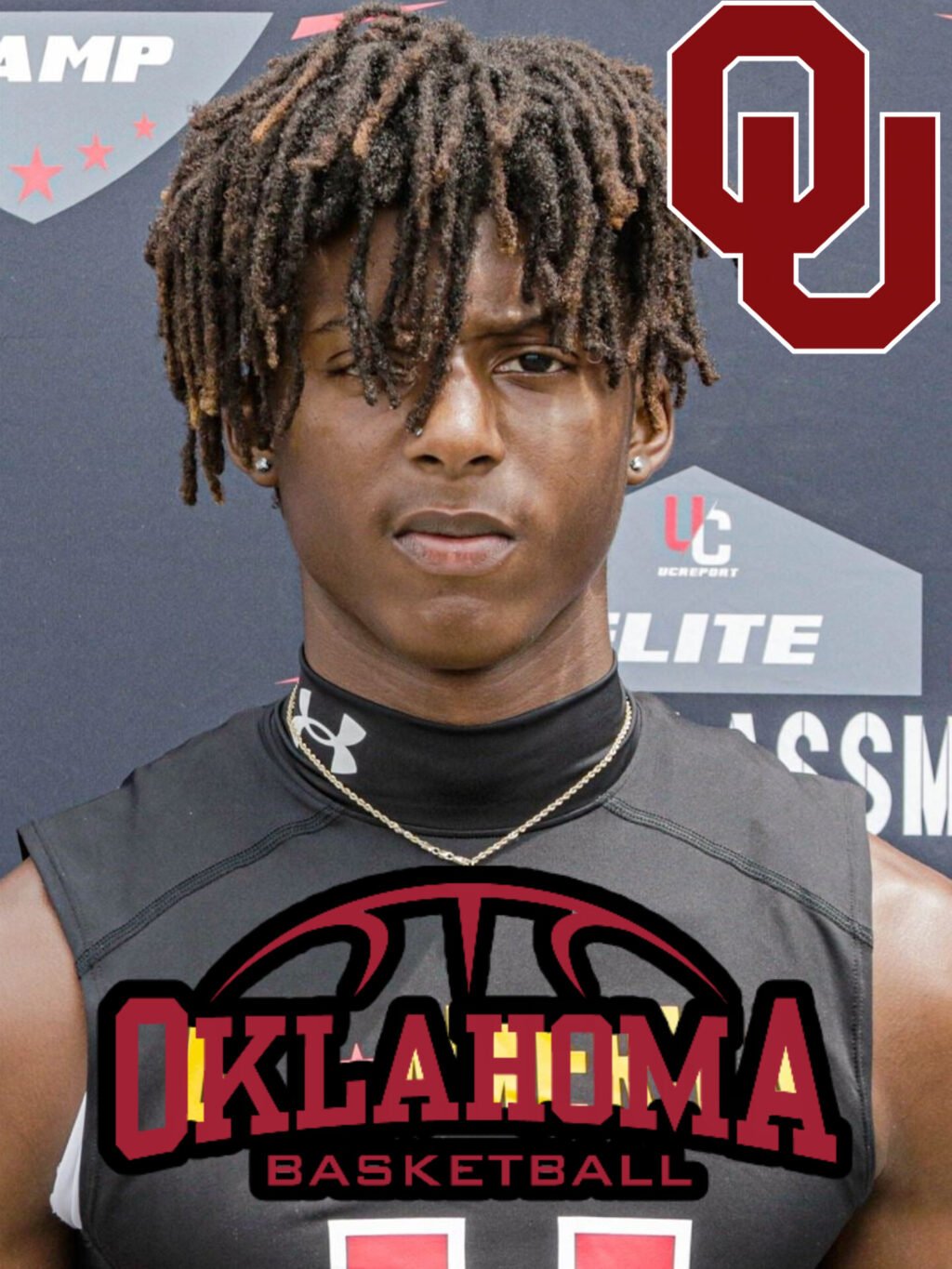
The college football recruiting landscape continues to evolve dramatically in the NIL era, where top talents can leverage massive financial incentives to alter long-standing commitments. In a stunning development that has sent shockwaves through the 2026 recruiting cycle, elite **American running back Jonathan Hatton Jr.** — a four-star prospect ranked as ESPN’s No. 8 running back nationally — flipped his commitment to the **Oklahoma Sooners** after previously pledging to Texas A&M.
This flip, finalized in late November 2025 and solidified through the early signing period into February 2026, marks one of the most high-profile recruiting reversals in recent memory for Brent Venables’ program. Hatton, a dynamic back from Cibolo (Texas) Steele High School, had initially committed to Oklahoma earlier in his recruitment before Texas A&M successfully flipped him. The return to Norman represents a full-circle moment, driven by a combination of factors — including a reportedly substantial NIL package, renewed faith in the Sooners’ offensive vision, and the program’s resurgence as a College Football Playoff contender.
Sources indicate that Hatton’s decision hinged heavily on enhanced NIL opportunities presented by Oklahoma’s collectives. While exact figures remain undisclosed due to privacy agreements common in such deals, insiders describe the arrangement as “massive” — potentially in the high six figures annually — making it one of the richer incentives for a running back in the 2026 class. This comes amid broader reports of Oklahoma’s aggressive NIL fundraising, with the program allocating significant resources to compete in the SEC’s high-stakes environment. Hatton’s value as a projected early contributor, combined with his explosive speed, vision, and receiving skills out of the backfield, justified the investment for Sooners boosters eager to bolster an offense that lost key pieces to the NFL and transfers.
The flip was particularly painful for Texas A&M, which had viewed Hatton as a cornerstone for their backfield rebuild. Aggies coaches had invested heavily in his recruitment, hosting multiple official visits and highlighting their run-heavy scheme under new coordinators. However, Hatton’s camp cited concerns over playing time projections and a desire to return to a program where he felt a stronger personal connection from the start. “Oklahoma was always home,” Hatton said in his announcement video, which quickly went viral on social media. “The coaches showed me they believe in what I can do here, and the opportunity to build something special in the SEC was too good to pass up.”
Oklahoma’s 2026 recruiting class, assembled under general manager Jim Nagy in his inaugural full cycle, climbed into the top 15-20 range nationally thanks to several key additions and flips like Hatton’s. The Sooners added 25 high school commitments, blending blue-chip talents with high-upside prospects. Hatton joins other notable backs and skill players, positioning the running back room for immediate competition and depth. Analysts project him as a potential Day 1 contributor in 2026, especially with the program’s emphasis on a balanced, explosive attack that suits his skill set.
This commitment underscores how NIL has transformed recruiting dynamics. No longer are traditional powerhouses like Alabama, Georgia, or Texas guaranteed locks for in-state or regional elites; programs willing to invest boldly — and pair it with on-field success — can reclaim or steal top targets. Oklahoma’s recent playoff appearance and strong 2025 finish (10-3 overall) provided tangible proof of progress under Venables, helping sway undecided or wavering recruits. Hatton’s flip also signals confidence in the coaching staff’s ability to develop backs into NFL prospects, following recent successes in the position group.
For Hatton personally, the move offers a high-profile platform in the SEC, exposure on national television, and a chance to chase championships while earning significant off-field income. At 6-foot, 205 pounds, he brings elite burst (sub-4.5 speed) and elusiveness, traits that made him a standout at the Under Armour Next camps and All-American events. Scouts praise his patience behind the line, ability to make defenders miss in space, and pass-catching reliability — skills that translate well to modern spread offenses.
The ripple effects extend beyond Norman. Rival programs in the SEC and Big 12 now face heightened pressure to match or exceed such NIL packages for comparable talents. Texas A&M’s loss highlights the volatility of modern recruiting, where commitments can shift rapidly based on coaching changes, performance, or better financial offers. Meanwhile, Oklahoma’s class features other standouts, including projected impact freshmen like tight end Tyler Ruxer and edge rusher prospects who could see early snaps.
As spring practice approaches in 2026, Hatton’s arrival adds intrigue to Oklahoma’s backfield battles. With transfers and incumbents vying for carries, his blend of talent and motivation positions him to emerge as a star. The Sooners’ ability to secure this flip after a “massive” NIL deal exemplifies the new reality of college football: elite American players can dictate terms, blending ambition, development, and earnings in ways unimaginable a decade ago.
This landmark flip not only bolsters Oklahoma’s 2026 outlook but also serves as a blueprint for how programs can compete in the NIL age — by combining winning culture with smart, aggressive financial backing. Hatton’s return to the Sooners after accepting such a lucrative arrangement could prove transformative, helping elevate Norman back toward national title contention.