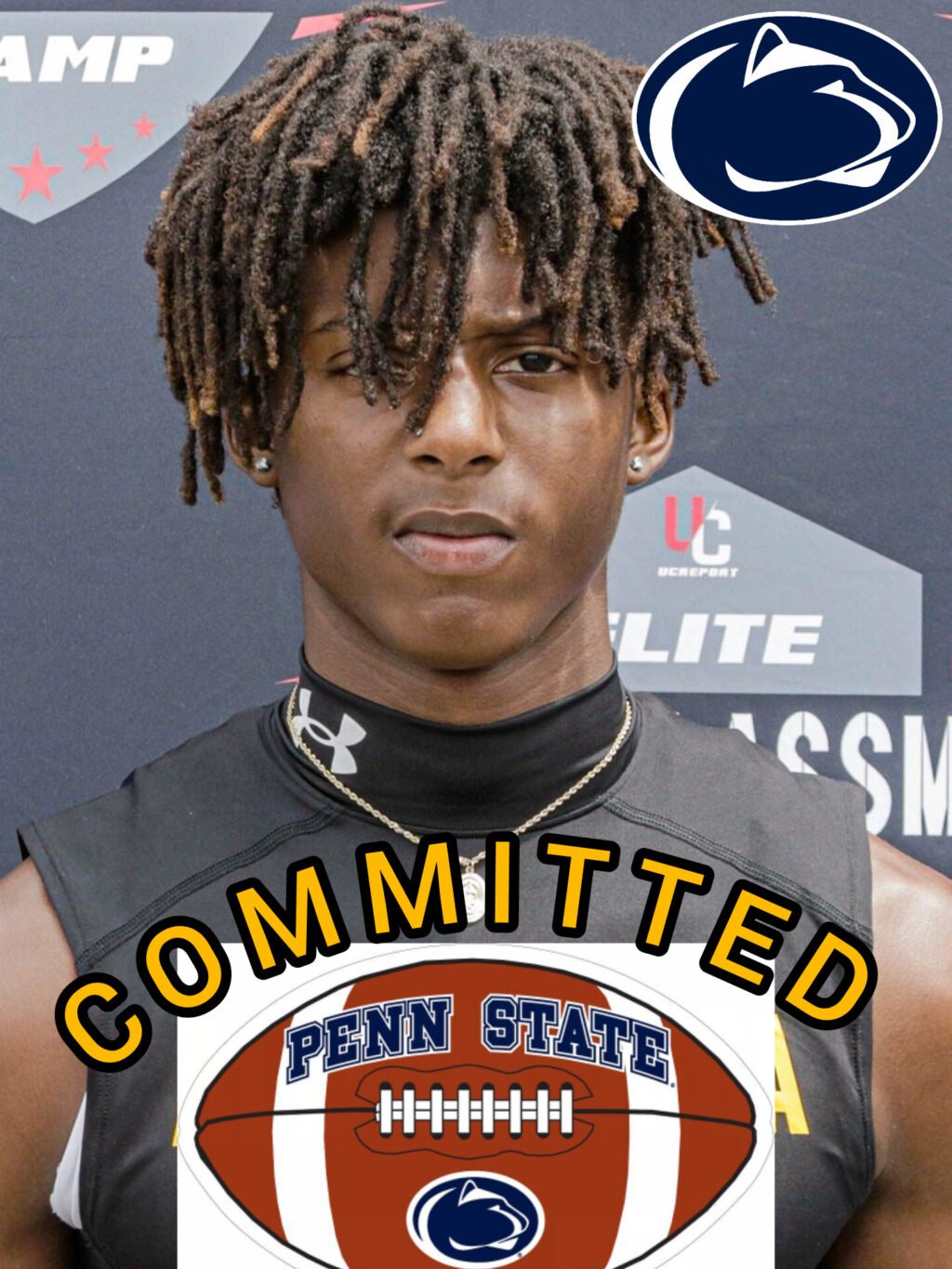
The recent landscape of college athletics has been dramatically reshaped by **Name, Image, and Likeness (NIL)** opportunities, allowing top talents to secure life-changing financial deals while committing to programs. In one of the most notable examples shaking up the hockey world, elite American prospect **Gavin McKenna** — widely regarded as a potential No. 1 overall pick in the 2026 NHL Draft — committed to **Penn State**’s hockey program after accepting a massive NIL package reportedly in the ballpark of **$700,000**.
This commitment, announced in mid-2025, stands out as a landmark moment for college hockey, where NIL deals have historically lagged behind those in football and basketball. McKenna, a highly skilled forward from Canada but representing one of the top North American talents available, chose Penn State over strong suitors like Michigan State, which reportedly offered between $200,000 and $300,000. Sources close to the recruitment emphasized that while the financial incentive was substantial — marking one of the richest NIL arrangements in college hockey history — the decision also hinged on Penn State’s vision for building a national powerhouse, the program’s approach to player development, and the respect shown throughout the process.
Penn State’s hockey program, competing in the Big Ten Conference, has long been competitive but rarely a dominant force in the NCAA landscape. Attracting a player of McKenna’s caliber — a dynamic scorer with elite skating, vision, and offensive instincts — signals ambitious investment from boosters and collectives. The Nittany Lions’ ability to outbid rivals demonstrates how NIL has leveled (or in some cases tilted) the playing field, enabling non-traditional blue-blood programs to land generational talents.
McKenna’s recruitment drew widespread attention because of his status as a top projected NHL pick. Scouts have praised his maturity, two-way play, and ability to dominate at junior levels. By opting for college over a direct CHL (Canadian Hockey League) path or other options, he aligns with a growing trend where prospects weigh education, development, and earning potential. Penn State’s offer wasn’t just about money; it included structured support for branding, endorsements, and on-ice growth under the program’s coaching staff.
The $700,000 figure, while eye-popping for hockey, pales compared to top football NIL valuations — such as Penn State’s own quarterback Drew Allar at around $3.1 million — but it shatters precedents in the sport. Analysts noted it as a “game-changer,” potentially attracting more high-end prospects to University Park and elevating Penn State’s profile ahead of future recruiting cycles. One insider remarked that the investment was “probably a pretty cheap” way to boost the program’s visibility and competitiveness, given McKenna’s projected pro value.
This move fits into Penn State’s broader NIL strategy under evolving leadership and roster dynamics. The university has allocated significant collective funds — reports have circulated of roughly $30 million committed to football NIL pools in recent cycles — to compete in the modern era. While football transfers and high school recruits often dominate headlines (with massive portal additions like former Iowa State players under new coaching alignments), hockey’s success with McKenna highlights how NIL permeates all sports at the school.
For McKenna personally, the commitment provides a platform to refine his game in a collegiate setting, gain exposure in a major conference, and build his brand before entering the NHL. He described the choice as tough but ultimately the best fit for his development and circle’s input. “There are a lot of really great options out there,” he said during his announcement, “but me, my family, and everyone in my circle decided that the best spot for me next year is Penn State.”
The ripple effects could be significant. Other programs may accelerate NIL fundraising for hockey to keep pace, while prospects weigh similar lucrative college paths. Penn State’s hockey arena, Pegula Ice Arena, stands to benefit from increased attendance, merchandise sales, and national buzz if McKenna delivers as expected.
As college sports continue evolving with revenue-sharing models on the horizon, deals like this underscore the new reality: top American (and international) talents can command “massive” compensation to commit, blending athletic ambition with financial savvy. McKenna’s Penn State pledge after accepting this groundbreaking NIL arrangement exemplifies how rapidly the landscape is changing — and how programs willing to invest boldly can secure elite talent.